Marketing
27 Minute
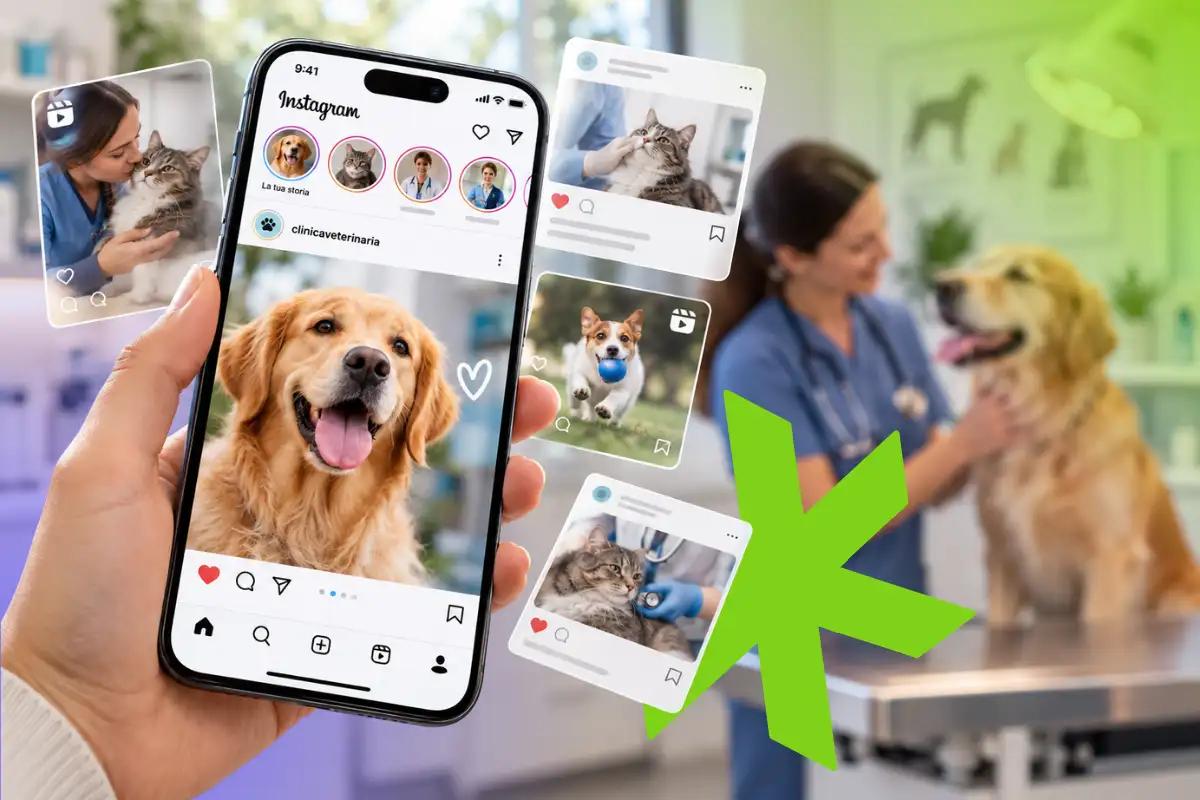
The veterinary industry has one characteristic that sets it apart from many other healthcare sectors: people looking for a veterinarian are almost always driven by a strong emotional connection with their pets.
This means that an effective veterinary marketing strategy must combine professional expertise with empathetic communication, without appearing too cold and technical or, on the other hand, too superficial.
For veterinary clinics, building trust is just as important as communicating services and medical expertise.
Here are six effective digital marketing strategies to help veterinary practices attract new clients in 2026.
People searching for veterinary services usually have a strong local intent.
Searches such as “veterinarian near me” or “veterinary clinic in [city]” often come from pet owners looking for a trusted professional in their area.
A well-structured website, combined with an up-to-date Google Business Profile, is often the first real point of contact between a veterinary clinic and a potential new client.
To improve local visibility, veterinary clinics should provide:
An effective local SEO strategy helps veterinary practices become more visible when potential clients are actively searching for their services.
The most effective social media content in the veterinary sector often addresses real questions and concerns from pet owners.
Educational topics may include:
A balanced veterinary social media marketing strategy should combine educational content with behind-the-scenes moments, introductions to the veterinary team and authentic storytelling.
The goal is not simply to promote appointments or services.
It is to help pet owners understand important aspects of animal health while gradually building trust in the clinic.
When sharing patient stories or clinical experiences, privacy and sensitivity must always come first. Images and personal information should only be published with appropriate consent.
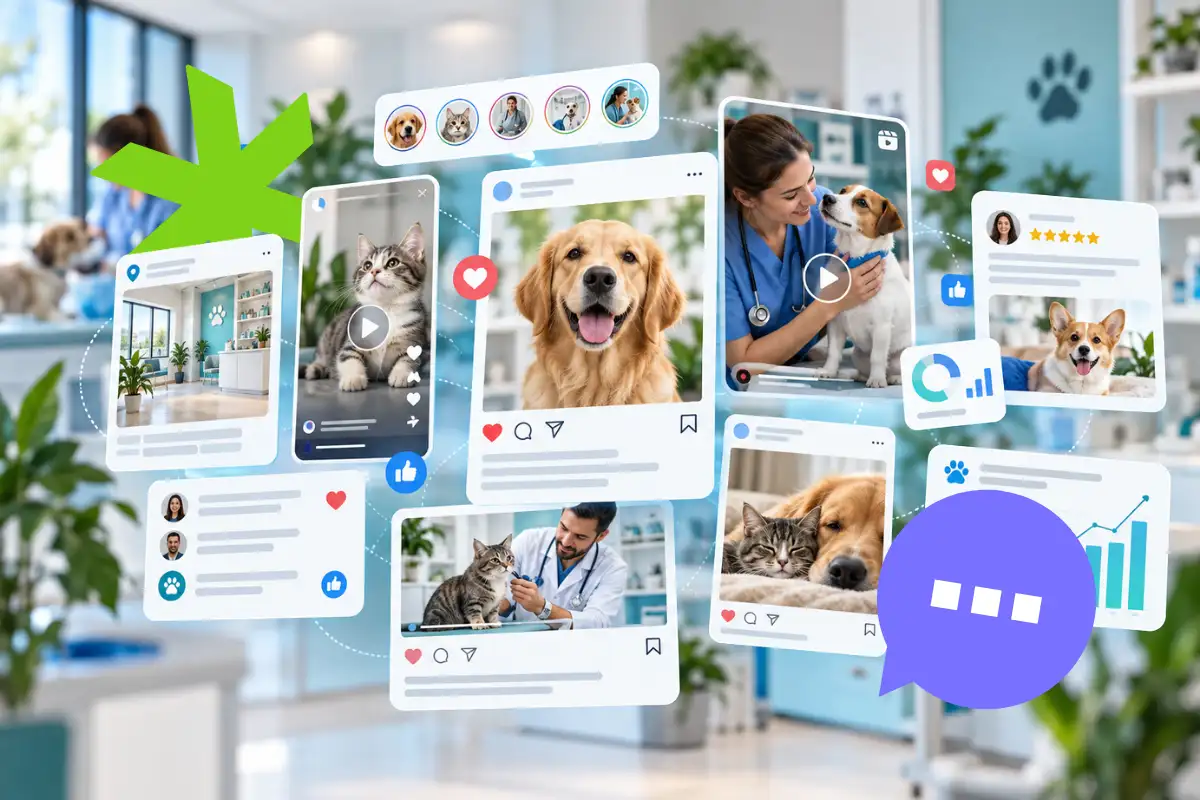
Pet owners do not choose a veterinarian based only on qualifications and services.
They also want to feel confident about the people who will care for their animals.
Short videos and social media reels can help make a veterinary clinic more approachable by showing:
These formats create a stronger human connection and can reduce the uncertainty that often comes with visiting a new veterinary practice.
For veterinary clinics, video marketing is an opportunity to communicate not only professional expertise but also the care, attention and empathy behind their services.
Before booking an appointment, many pet owners read online reviews to understand other people’s experiences with a veterinary clinic.
Reviews can play an important role in building credibility and influencing the decision to contact a practice.
An effective online reputation strategy should include:
Responding to reviews demonstrates attention, reliability and a willingness to communicate.
Even negative feedback can become an opportunity to show professionalism, provided that responses protect client privacy and avoid discussing confidential clinical information.
For veterinary clinics, reputation management is not simply about collecting positive ratings.
It is about demonstrating consistency between the quality of care provided and the experience communicated online.
If a veterinary clinic offers specialist services, these should be clearly presented through dedicated website pages and targeted content.
Examples include:
People searching for a specific veterinary service often have a clearly defined need.
This makes specialist content particularly valuable for attracting relevant enquiries.
A dedicated service page can explain what the clinic offers, introduce the veterinary professionals involved and provide useful information about the consultation process.
Combining specialist content with local SEO can help clinics reach pet owners who are actively looking for particular veterinary services.
Geographically targeted advertising campaigns can help veterinary clinics reach potential clients within their actual service area.
Platforms such as Google Ads and Meta Ads allow businesses to promote relevant services to audiences based on location and other available targeting options.
For example, a veterinary clinic may use paid advertising to:
Compared with broad advertising campaigns, a carefully planned local strategy can help focus the available budget on the most relevant audience.
However, effective advertising requires more than choosing a location and setting a budget.
Clear messaging, appropriate creative content, suitable landing pages and continuous performance monitoring are essential for achieving meaningful results.

The most effective communication strategy for a veterinary clinic is neither exclusively technical nor purely emotional.
It is one that successfully combines clinical authority with genuine human connection.
Veterinary professionals need to communicate their expertise, explain complex topics clearly and demonstrate the quality of their services.
At the same time, they must recognise the emotional relationship between pet owners and their animals.
This balance helps build trust before the first appointment even takes place.
A strong veterinary marketing strategy should therefore bring together:
When these elements work together, digital communication becomes much more than a promotional activity.
It becomes a valuable tool for building long-term relationships and supporting the growth of the veterinary practice.
In 2026, attracting new clients to a veterinary clinic requires a digital strategy that goes beyond occasional social media posts or advertising campaigns.
A professional website, local SEO, educational content, video storytelling and online reputation management can work together to strengthen visibility and trust.
The key is communicating medical expertise in a way that is clear, credible and genuinely connected to the needs of pet owners.
At Pixsmart Digital Agency, we help businesses and professionals develop tailored digital communication strategies designed to improve visibility, strengthen brand identity and create meaningful connections with their audiences.
Want to grow your veterinary clinic with a digital marketing strategy tailored to your needs?
Contact Pixsmart and discover how we can help you build a stronger, more recognisable and effective online presence.
Educational content about prevention, animal care and nutrition is particularly useful for veterinary clinics.
Videos introducing the team, showing the facilities and explaining everyday veterinary procedures can also help build trust.
Client testimonials and patient stories may be effective when shared with appropriate consent and a professional, empathetic tone.
Google Business Profile is an essential tool for local veterinary marketing.
Many people searching for a veterinarian are looking for services in their immediate area.
A complete and regularly updated profile, including opening hours, contact information, photos and reviews, can improve local visibility and help potential clients choose a veterinary clinic.
Yes, particularly when campaigns are targeted to the clinic’s geographical service area.
Local advertising can help veterinary practices reach relevant potential clients, promote specialist services and increase awareness within their community.
The effectiveness of the investment depends on targeting, campaign objectives, creative quality and ongoing optimisation.
Topics such as serious illness, end-of-life care or the loss of a pet require particular sensitivity.
Patient stories and identifiable information should only be shared with appropriate consent from pet owners.
Communication should remain respectful, informative and supportive, avoiding sensationalism or purely promotional messages.
The priority should always be protecting the dignity of the animal, the privacy of the owner and the professional credibility of the clinic.